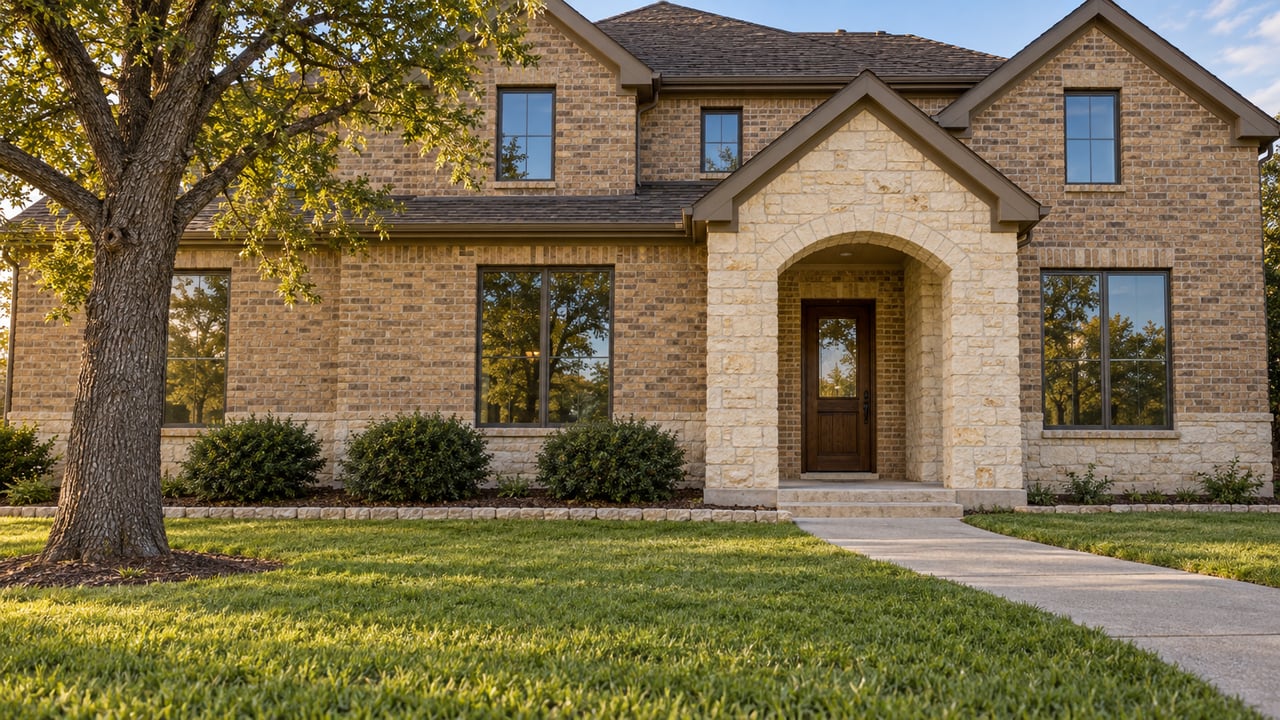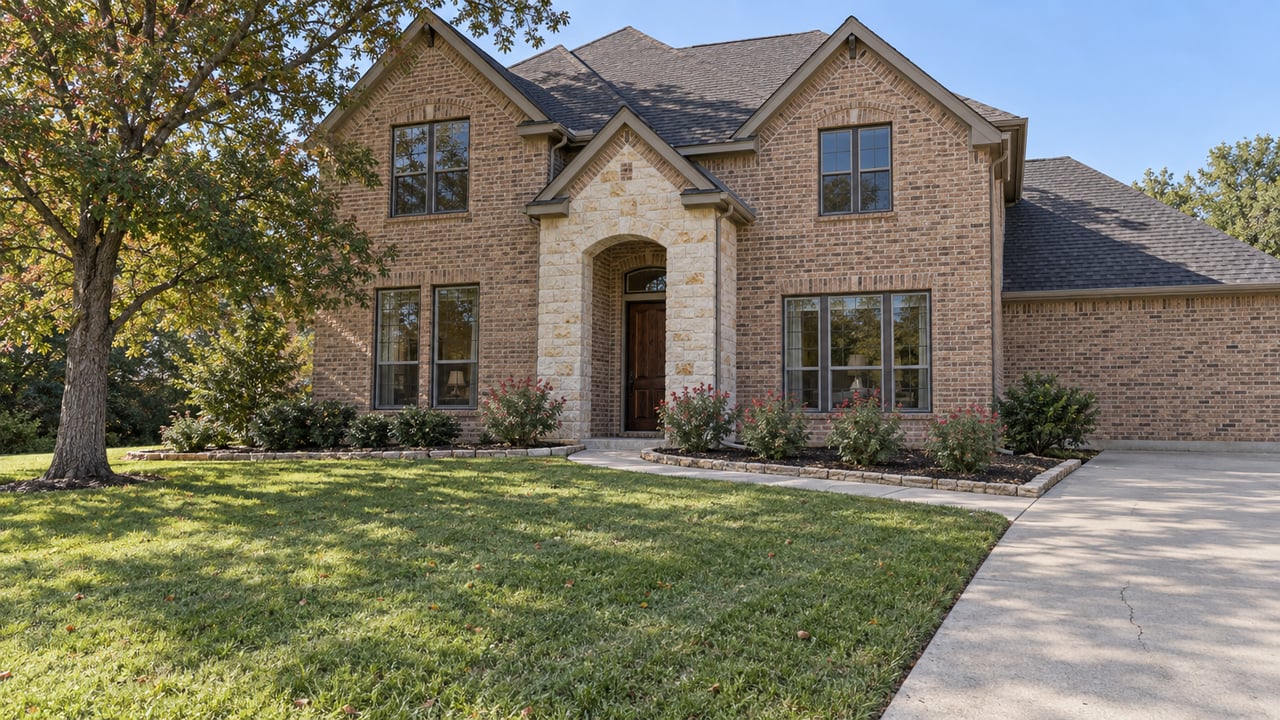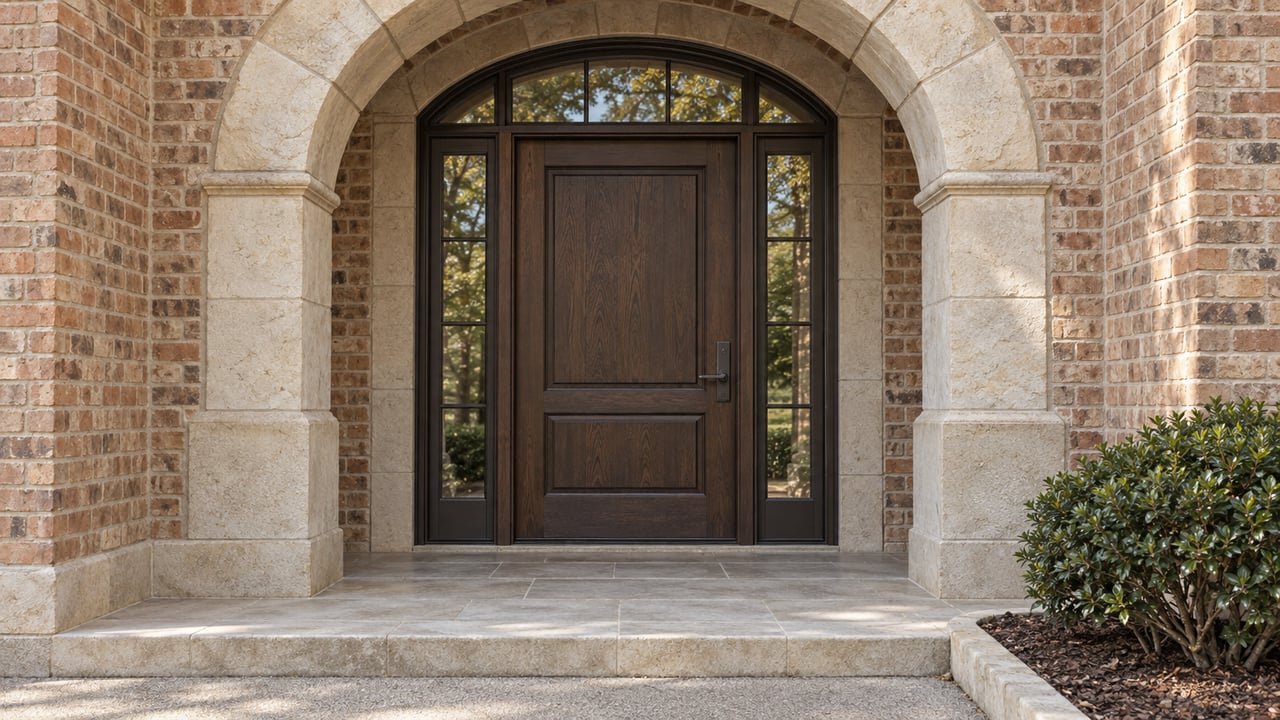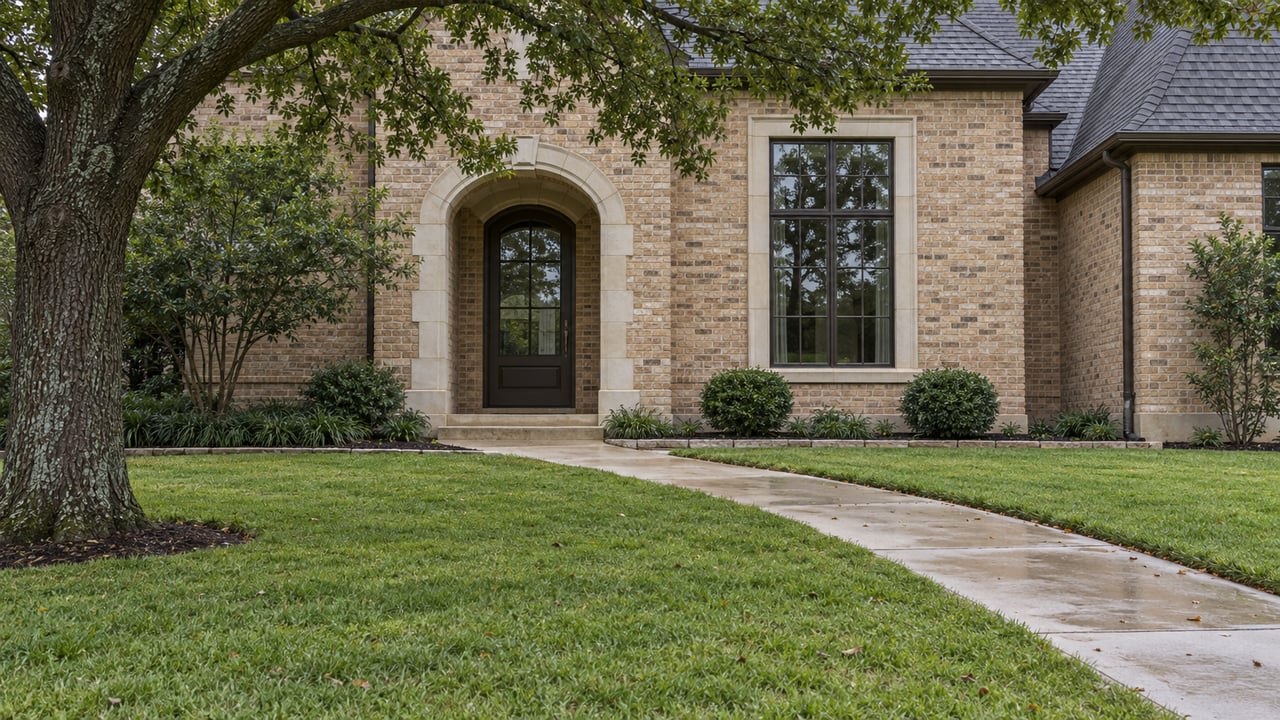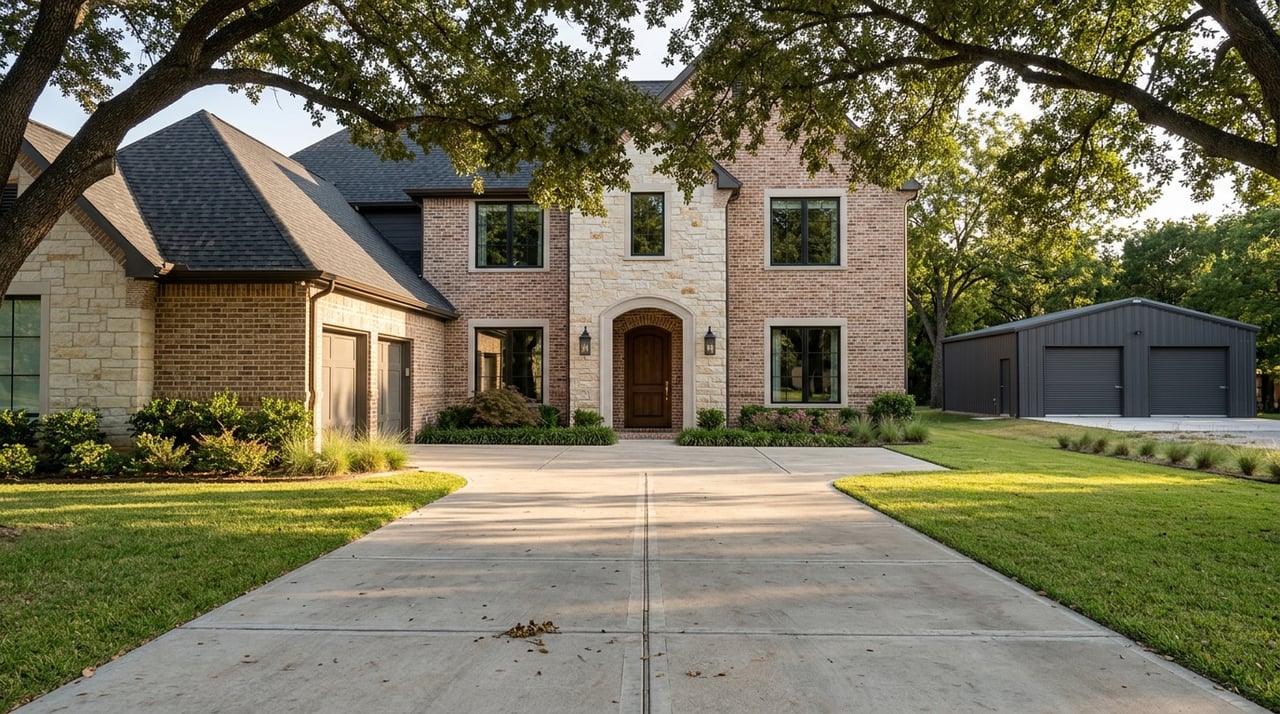
If you want more land, more privacy, and more flexibility in North Texas, Parker is one of the first places worth watching. The challenge is that finding the right acreage home here is not just about spotting a big lot online. You also need to understand zoning, utilities, septic, and what the property actually allows you to do. This guide will help you search smarter, avoid common surprises, and focus on the Parker acreage homes that truly fit your goals. Let’s dive in.
Why Parker attracts acreage buyers
Parker stands out because it offers true estate-style and larger-acreage properties in Collin County. Current listings range from about 1 acre to 16.21 acres, which gives you more than the typical suburban lot search.
That extra land often comes with a higher price point. Current Realtor.com data shows roughly 114 active listings in Parker, with a median listing home price around $1.5 million and a median listing price per square foot of $291.
Compared with nearby cities, Parker sits in a different pricing tier. Current listing medians place Plano around $538,000, Allen around $514,999, and Frisco around $725,000, which suggests Parker buyers are paying a premium for land, privacy, and limited supply.
Start with your acreage goals
Before you tour homes, get clear on how you plan to use the property. In Parker, that matters because the lot itself is only part of the story.
Acreage buyers often want features like:
- No HOA
- Big yard space
- Guest house potential
- RV or boat parking
- 3 or more garage spaces
- Room for barns or outbuildings
- Space for horses or other rural uses
Those are useful search filters, but they are not a substitute for verifying what the property legally supports. A home may look ideal on paper and still have zoning or permit limits that affect your plans.
Focus on Parker zoning first
Zoning is one of the biggest factors in any Parker acreage search. The City of Parker Planning and Zoning Department handles zoning, specific use permits, site plans, landscape plans, and subdivision plats, which means land use review can play a bigger role here than in a standard neighborhood purchase.
SF zoning in Parker
The SF, or Single-Family Residential, district requires a minimum lot size of 2.0 acres net. It also has a maximum lot coverage of 20 percent, a minimum width of 200 feet on straight streets, and a minimum depth of 300 feet.
If you want large animal activities in this district, or large animals other than horses or cattle, a special use permit may be required. That makes it important to confirm not only the zoning label, but also whether your intended use fits within it.
SFT zoning in Parker
The SFT, or Single-Family Transitional, district allows somewhat smaller lots in some cases. The average lot size cannot be less than 1.5 acres net, and the minimum lot size is 1 acre net.
Like SF, SFT also has a 20 percent lot coverage cap. Some lot standards vary by lot size, and certain older lots or adjacent platted lots can still be subject to 2-acre minimum rules.
A-O zoning in Parker
If you want a more agricultural or rural setting, the A-O, or Agricultural-Open Space, district may be the most relevant category. A property must have 5 contiguous acres under single ownership to qualify.
This district also requires structures to be set back 100 feet from any property line. For buyers who want more open space and a farm-style feel, this zoning category is especially important to understand.
Check accessory building rules early
Many acreage buyers are not just shopping for the main house. You may also want a barn, stable, detached garage, greenhouse, toolshed, or another accessory structure.
In Parker, accessory buildings are broadly defined and can include all of those structures, plus portable buildings over 120 square feet. However, accessory buildings are capped at 10 percent of the total lot area.
Accessory dwellings also have limits. Detached accessory dwellings can only be built on lots of at least 2 acres and require a special use permit, while attached accessory dwellings can be considered on a lot of 1 acre or larger.
That means guest quarters, multigenerational living space, or separate living areas should always be verified before you move forward. If that feature is on your must-have list, it should be part of your search from day one.
Verify animal use before you buy
It is easy to assume that acreage automatically means you can use the property however you want. In Parker, that assumption can cause problems.
The city code makes clear that large animal activities are not automatically allowed everywhere. Large animals other than horses or cattle may require special approval, so buyers who want a more rural lifestyle need to confirm whether the zoning district and any permit history support that use.
If your goal includes horses, barns, or other animal-related uses, ask for that review early. It can save you time and help you avoid falling in love with a property that does not fit your plans.
Understand sewer versus septic
Utilities are another major part of searching for acreage homes in Parker. The City of Parker provides water and solid waste services within city limits, but sewer service is only available to certain homes in the northeastern part of the city.
All other homes are on septic systems. That means septic status is not a side detail. It is a core part of due diligence when you are buying acreage here.
Why septic review matters
The Texas Commission on Environmental Quality requires permits to construct, install, alter, extend, or repair an on-site sewage facility. Most systems also need a site evaluation based on local conditions.
TCEQ notes that conventional septic tanks are typically pumped every three to five years. Some aerobic systems may need more frequent maintenance.
TCEQ also says local permitting programs can be more strict than state minimums. In practical terms, you should confirm the septic setup, maintenance expectations, and any local requirements before you close.
Review these documents for every property
In Parker, lot-by-lot review matters. Two homes with similar acreage can have very different zoning, utility, or permit realities.
As you narrow your options, make sure you verify:
- The recorded plat
- The zoning district
- Sewer or septic status
- Any special use permit history
- Whether barns, guest quarters, or animal uses were approved
This step is especially important in a market where larger lots and specialized features are part of the value. A careful review can help you separate a great fit from an expensive compromise.
Search Parker with the right filters
Because inventory is limited, your search strategy needs to be focused. Parker currently has a much smaller listing pool than nearby cities, so the best opportunities may be very property-specific.
Start your search with practical filters that match how acreage homes function in Parker, including:
- Lot size
- Sewer versus septic
- HOA restrictions
- Guest house potential
- Outbuilding flexibility
- RV or boat parking
- Garage count
- Animal-use compatibility
These filters can help you spend less time on homes that look promising online but do not work in real life. In a thinner inventory market, that kind of precision matters.
Expand your search when needed
If Parker is your first choice but inventory feels tight, it can help to widen your search area. Realtor.com marketplace pages tied to Parker point buyers toward nearby options in Allen, Plano, McKinney, Frisco, and Wylie.
That does not mean those markets offer the same acreage profile as Parker. It does mean that if your top priority is lot size, guest quarters, outbuilding flexibility, or certain land-use features, expanding the map may reveal more options.
A smart approach is to start with Parker, define your true must-haves, and then compare nearby markets if you are not finding the right fit. That keeps you focused without becoming too narrow too early.
What to expect on pricing
Parker acreage homes often command a land-and-privacy premium. Based on current listing data, buyers here are usually paying for larger lots, more custom construction, and a smaller supply of true acreage inventory.
That is why budgeting for a Parker purchase is about more than house size alone. The value often comes from the land itself, the flexibility of the property, and the rarity of homes that check multiple boxes at once.
If you are comparing Parker with nearby suburbs, it helps to think in terms of use and lifestyle, not just price per square foot. A property with the right zoning, lot size, and utility setup can be far more valuable to your goals than a larger house on paper.
How to buy acreage with more confidence
Acreage purchases usually have more moving parts than a typical suburban home search. In Parker, the best results come from staying organized and reviewing each property through both a home lens and a land-use lens.
A simple process looks like this:
- Define your must-haves, including lot size and intended use.
- Search with Parker-specific filters such as septic, HOA, and outbuilding needs.
- Verify zoning before getting too far into the process.
- Review plat, permit history, and utility details.
- Compare Parker with nearby markets if inventory is limited.
That kind of structured approach can help you move faster when the right property appears. It also lowers the risk of buying acreage that does not match the way you want to live.
Finding the right acreage home in Parker takes more than watching new listings pop up. You need a clear plan, local market context, and careful review of zoning, utilities, and property-specific details. When you approach the search the right way, you can find a home that gives you the space, privacy, and flexibility you actually want. If you’re ready to start your search with a team that understands North Texas acreage and luxury property nuances, connect with The Tomlin Team Real Estate Group.
FAQs
What makes Parker, Texas different for acreage home buyers?
- Parker offers true acreage and estate-style listings, but buyers also need to review zoning, septic or sewer service, and permit history because land use is more regulated than many standard suburban home searches.
What zoning should you check for Parker acreage homes?
- The main residential zoning categories to review are SF, SFT, and A-O, since each has different minimum lot sizes, setback rules, and land-use limitations that can affect your plans.
What should you know about septic systems in Parker, Texas?
- Many Parker homes are on septic because sewer service is only available to certain homes in the northeastern part of the city, so septic status, permits, and maintenance needs should be verified during your search.
Can you build a guest house on an acreage property in Parker?
- Guest quarters or accessory dwellings may be possible, but detached accessory dwellings require a special use permit and cannot be built on less than 2 acres, while attached accessory dwellings can be considered on lots of 1 acre or larger.
Should you expand your search beyond Parker for acreage homes?
- If Parker inventory is limited, it can make sense to compare nearby areas like Allen, Plano, McKinney, Frisco, and Wylie, especially if your top priorities are lot size, flexibility, and specialized property features rather than one exact location.